Most coaches change the workout but ignore the macro and micronutrients that actually prevent PMS. In this post, I walk you through the simple hormone-balancing framework I use with clients to reduce bloating, ease cramps, and help them feel lighter, stronger, and more supported through every phase of their cycle.
Supporting your body during the luteal phase with the right foods can dramatically reduce PMS symptoms like bloating, cramps, mood swings, and breast tenderness. Magnesium-rich nuts, calming herbal teas, and antioxidant + fiber-rich foods work synergistically to stabilize hormones, calm inflammation, and support nervous system balance. Starting these strategies 3–5 days before your period ensures maximum benefit, helping you feel calmer, more balanced, and energized throughout your cycle.
Feeling more anxious, overstimulated, or sleepless in your late 30s? You might be entering perimenopause — and it’s not something to fear.
In this blog post, hormone health educator Omega Zumpano explains the early signs of perimenopause, what’s happening hormonally, and how to support your body through this transition.
✅ Learn the 3 early signs of perimenopause
✅ Understand how progesterone and estrogen shifts affect mood, energy, and recovery
✅ The 3 Hormone Tests you can talk to your doctor about
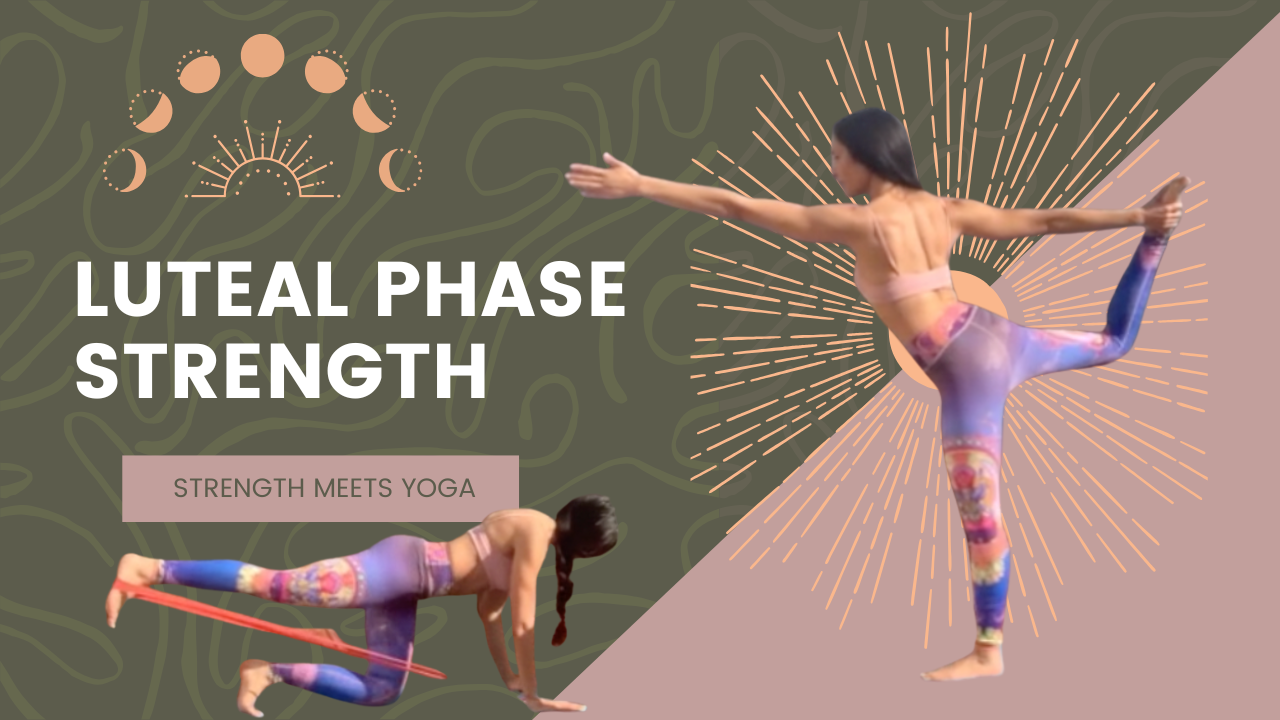
Most women see the luteal phase as the part of the cycle they just have to “get through.” Fatigue, bloating, cravings, mood swings… sound familiar?
But here’s the reframe: your luteal phase isn’t just something to survive. It’s a capacity-building phase. With the right training and nutrition, you can actually teach your body to handle this hormonal shift with more ease every month.
The science: progesterone is higher in this phase, which makes high-intensity workouts feel harder. But it’s also the perfect time to lean into strength training. Grounding, stabilizing weight work improves blood sugar balance, reduces PMS inflammation, and builds muscle fibers that make you more resilient cycle after cycle.
Do you feel like your pms anxiety skyrockets right before your period? Period mood swings are your body asking for more support. And no, you’re not broken. In this video, I’m sharing my raw story (yes, I once broke a window and came close to destroying personal property), a powerful pmdd client win, and 5 proven ways to calm luteal phase anxiety.
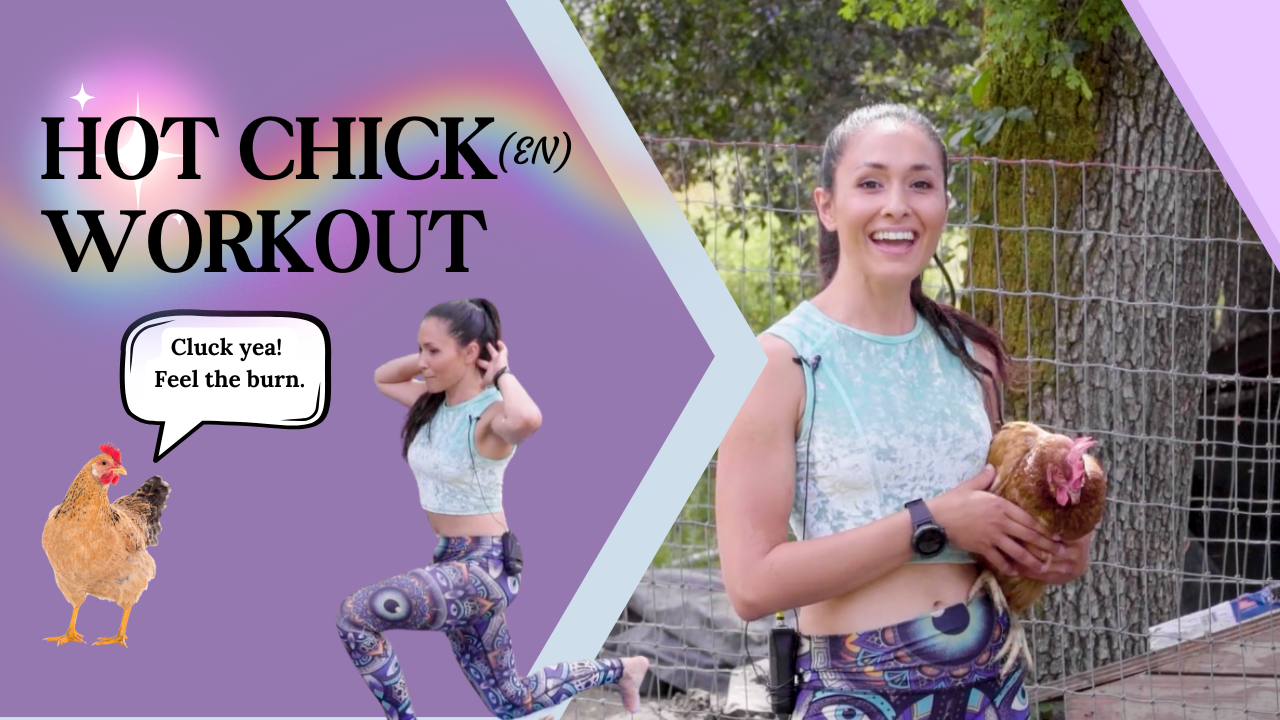
This throwback workout video features real chickens, joyful movement, and a reminder that fitness doesn’t have to be serious to be supportive. Watch The Hot Chick Workout here.
As an exercise scientist and hormone health educator, I want women to know: PMS is not something you just have to ‘deal with.’ PMS symptoms like mood swings, bloating, cravings, and anxiety are often signs of deeper imbalances — especially around blood sugar, progesterone, and nervous system health. Once you understand these root causes, you can start supporting your body with targeted nutrition, stress management, and movement strategies. My mission is to help women stop fighting their physiology and start working with it, so they can feel strong, steady, and confident all month long.
During your luteal phase, progesterone levels rise, impacting your neuromuscular control. Translation? You’re naturally less steady. Pushing through with heavy lifts or high-intensity circuits often leaves you more frustrated and less accomplished.
Low progesterone & fitness are related! Progesterone plays a crucial role in women's fitness journeys, influencing metabolism and body composition. Maintaining balanced progesterone levels is essential for achieving health goals. Understanding how to support progesterone levels through nutrition and lifestyle choices can significantly impact fitness outcomes. Personal trainers should recognize the importance of progesterone in their clients' health goals and incorporate strategies to optimize its balance, such as tailored nutrition plans and stress management techniques, to enhance their fitness progress effectively.
In the realm of hormone health and fitness, it's crucial for personal trainers to navigate the complexities of the menstrual cycle with precision. Understanding the nuances of hormonal rhythms and research evidence is paramount, as misconceptions abound in the fitness industry. While exercise intensity is often emphasized, it's equally important to delve into cyclical nutrition for optimal performance and PMS management. Trainers must recognize the individualized nature of hormone imbalances and tailor their approach accordingly, incorporating personalized strategies to address hormonal fluctuations. By challenging common misconceptions and prioritizing cyclical fitness coupled with proactive nutrition, trainers can empower themselves and their clients to achieve holistic well-being and maximize fitness outcomes.
In this eye-opening video, we delve into the dark side of the fitness industry and explore how it perpetuates internalized misogyny. From unrealistic beauty standards to the objectification of women, the fitness world often promotes harmful and damaging messages that can negatively impact individuals' self-esteem and body image. Join us as we uncover the truth behind this pervasive issue and discuss ways we can challenge and combat these harmful beliefs. Don't forget to like, comment, and subscribe for more thought-provoking content on challenging societal norms and promoting body positivity in the fitness industry. Let's work together to create a more inclusive and empowering space for all individuals, regardless of gender.
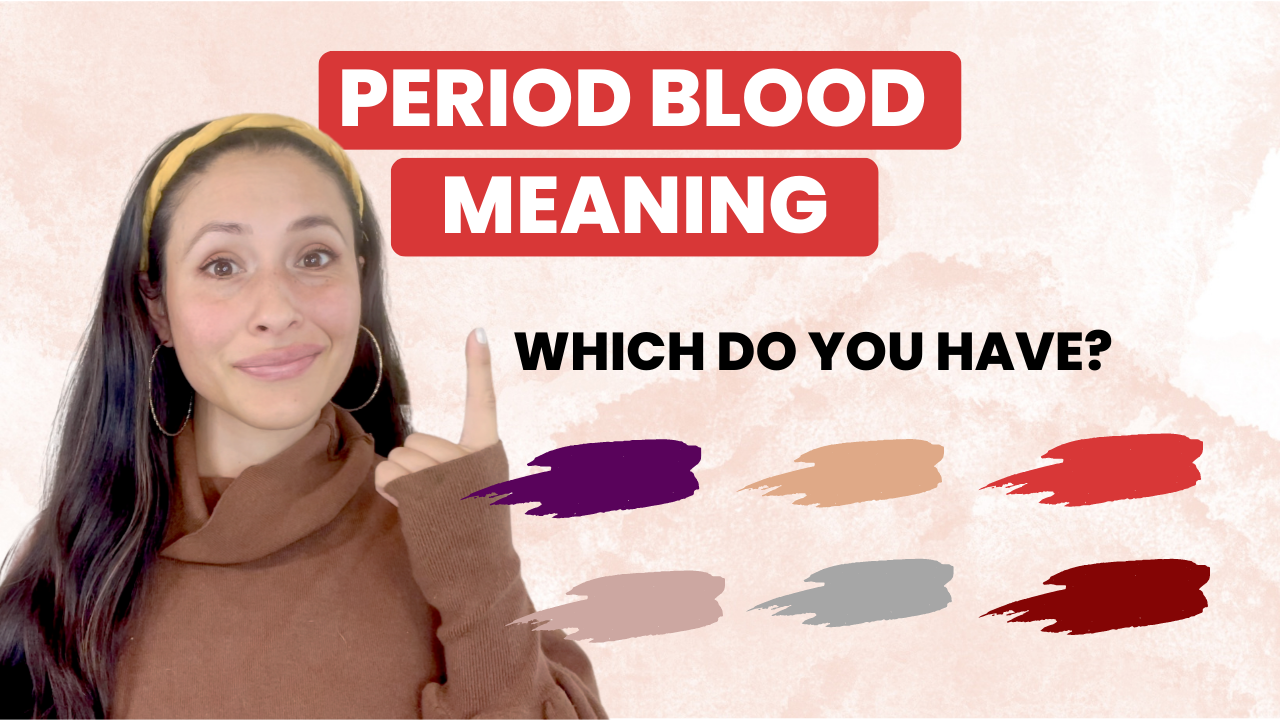
The color of your menstrual blood can provide important cues and feedback about your body and overall health. In this blog post, we will explore the different colors of menstrual blood and what they may indicate. Please keep in mind that I am not a doctor, but I am here to share some insights and suggestions based on my own knowledge and experience.
But finally there is valid research being done on women’s fitness and how nutrition inter-play with menstrual cycle fitness. So this post is going to be about the mistakes I made as a trainer that just did not serve female clients in retrospect.
A research article from 2020 by Navarro and colleagues showed us that when we restrict calories, we also restrict the production of hormones in the brain. This has a direct impact on ovulation, as well as overall female health. Hormones are not just important for reproductive health; they also play a role in bone density, muscle recovery, and mood regulation.
looking for the truth about menstrual cycle “cycle syncing” diet. We’ll look in depth at the luteal phase workout nutrition to help personal trainers customize the menstrual cycle.